Most Addictive Slay the Spire Brings Deck-Building Roguelike Battles to iPhone and iPad
Every run in Slay the Spire starts the same way: you pick a hero, you get a small starter deck, and you climb a tower that wants you dead. Every run ends differently. That gap between a familiar beginning and an unpredictable ending is what has made this deck-building roguelike one of the most addictive games on iPhone and iPad — a game where a single card can turn a hopeless climb into a perfect run, and where losing only makes you want to shuffle up and try again.
The idea is simple to learn and endlessly hard to master. You move up a branching map, choosing your path floor by floor. Some rooms hold fights, others hold shops, rest sites, treasure chests, or strange events that offer risky bargains. Every battle is a card game: you draw a hand, play attacks and defences with a limited pool of energy, and try to outsmart enemies whose next move is shown to you in advance. Knowing what the enemy will do changes everything. It turns each fight into a small puzzle where the right card at the right moment matters more than raw power.
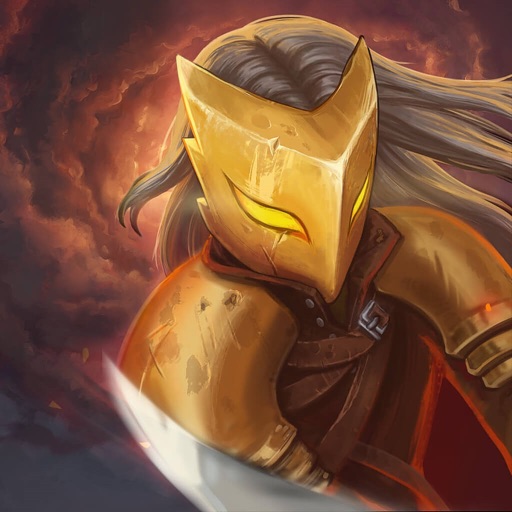
Image: Good Games Group, Inc / App Store
What makes the game so replayable is that no two decks ever feel the same. Each hero has a distinct style and a pool of cards that only they can use. The Ironclad is a bruiser who grows stronger as he takes damage. The Silent is a poison-and-shiv specialist who wins through clever combinations. The Defect commands orbs of lightning, frost, and dark energy. The Watcher shifts between stances, trading defence for devastating bursts of damage. Learning one hero feels like learning a whole new game, and switching heroes after dozens of hours feels like starting a fresh adventure.
The cards themselves are where the real addiction lives. A basic strike is forgettable; a well-upgraded card that draws two more cards, or one that gains strength every time you play it, can carry an entire run. Relics add another layer of chaos: these are permanent bonuses you collect along the way, and their effects stack in ways the game never quite warns you about. One relic might give you energy whenever you play a certain card type; another might heal you after every fight. Finding two relics that work together perfectly is one of the best feelings in mobile gaming, and it happens just often enough to keep you climbing.
Failure in Slay the Spire is not a punishment — it is the lesson. When a run ends, and it will end often, you keep the knowledge of what went wrong. Maybe your deck had too many weak cards. Maybe you skipped a rest site to chase treasure and paid for it in the next fight. Maybe you took a powerful card that did not fit your strategy. Each defeat teaches you something, and the next run starts with that lesson already in your pocket. The game also rewards progress with unlocks: winning runs and reaching new heights gradually opens up more cards and relics, so your options keep growing even when the tower keeps winning.
Read Also:
Most Addictive Balatro Turns Poker Into a Roguelike Obsession on iPhone and iPad
7 Best Board Games for iPhone for Families
Built for Touch Screens and Short Sessions
The iPhone and iPad version, published by Good Games Group, is a faithful port of the game that became a hit on PC. The touch controls are natural for a card game: you drag cards onto enemies, tap to inspect anything, and the interface keeps your health, energy, and hand clearly visible at all times. The game is listed at $9.99 on the App Store with no in-app purchases, so the full game — all four heroes, every card, every relic — is included in that one price. It is rated 12+ for fantasy violence and mild language. There is also a separate Apple Arcade version, Slay the Spire+, for subscribers who prefer that route.
Slay the Spire is also a great fit for mobile because runs are naturally broken into short chunks. A single floor takes a minute or two, a full run can take forty minutes or more, and the game saves your progress constantly. You can play two fights on a bus, put the phone away, and pick up exactly where you left off. That structure makes it dangerously easy to start "one more floor" and look up an hour later — the classic sign of a game that has you hooked.
New players should take their time with the early floors. The biggest beginner mistake is adding every card offered to the deck; a smaller, focused deck is almost always stronger than a big, random one. Removing weak starter cards at shops is often the best money you can spend. Rest sites are precious too — healing is usually worth more than upgrading a card unless your health is already full. And do not be afraid to skip an elite enemy if your deck is not ready; the tower will still be there tomorrow.
Why One More Run Is Never Enough
Slay the Spire works because it respects the player's intelligence. Every decision feels meaningful, every defeat feels fair, and every victory feels earned. The game never hands you a win, but it always hands you a reason to believe the next run could be the one. That is a powerful loop, and it is why a card game about climbing a tower has kept players coming back for years.
If you enjoy strategy games, card games, or roguelikes — or if you simply want a premium iPhone game with no adverts, no timers, and no pay-to-win mechanics — Slay the Spire is one of the best purchases on the App Store. Just be warned: the tower is patient, and so is the urge to climb it one more time.
Source: App Store — Slay the Spire — https://apps.apple.com/us/app/slay-the-spire/id1491530147
