The Champions League League Phase Explained: Why Every Matchday Now Feels Like a Final
For decades, the Champions League followed a familiar rhythm: a group stage, a draw, and then the knockout rounds. UEFA's new format, introduced from 2024/25, changed that rhythm completely. In its place is a single league phase, and after a few seasons of living with it, the change has done something remarkable: it has made almost every matchday feel consequential, even for clubs that once would have been counting down to elimination.
UEFA's own explainer puts the core idea simply. The old group stage is gone, replaced by a league phase in which teams play eight matches against a wider range of opponents. That single change is the key to everything else, because it means no club is locked into the same three opponents, and no result exists in isolation. Every goal can move a team up or down a table that contains the whole competition.
One Table, Eight Very Different Tests
The beauty of the league phase is variety. A club might face a European giant one week and a fearless newcomer the next, with home and away games mixed across the autumn and into January. UEFA notes that Champions League matches are played between September and January, with the final league-phase matchday played simultaneously, so the drama builds towards one shared evening rather than fading across separate groups.
That variety also changes how coaches plan. There is no single rival to study for six matches, no chance to settle for a draw in a return fixture and move on. Each opponent brings a different style, a different stadium atmosphere and a different tactical problem, and the teams that adapt fastest are the ones that climb the table.
What Happens After the League Phase
The stakes are built into the standings. UEFA explains that the top eight sides in the league qualify automatically for the round of 16, while the teams finishing between 9th and 16th are seeded in the knockout phase play-offs. That creates two races at once: one for the automatic places at the very top, and another, just as tense, for the seeded play-off spots below them.
For fans, that means the table is never just background noise. A late winner in November can be the difference between a quiet February and a two-legged play-off, while a heavy defeat can drag a favourite into the danger zone in a single night. UEFA's own summary of the format's benefits makes the same point in different words: every game counts, and any result has the potential to dramatically change a team's position.
Why the Final Is Still the Prize
For all the change, the destination has not moved. From the round of 16 onwards, the competition continues in its familiar knockout format, with two-legged ties leading to a single final. UEFA's 2026/27 lowdown confirms that this season is the competition's 72nd, and that the 2027 final will take place at Atlético's Estadio Metropolitano, a reminder that the new format is a new road to the same famous trophy.
The final also explains why the league phase matters so much. A club that finishes in the top eight does not just avoid a play-off; it earns extra rest, extra preparation time and a cleaner path into the last 16. In a season already crowded with domestic league and cup fixtures, that rest can be the difference between a team peaking in spring and one running out of steam.
A Format Built for the Modern Game
Not every fan loved the change at first, and that is understandable. The group stage had its own traditions, its own rivalries and its own sense of familiarity. But the league phase has answered its critics with something the old format could rarely offer: a table that stays alive until the last matchday, with big clubs, surprise packages and debutants all sharing the same standings.
That shared table is also why the competition feels bigger now. A result in one city is instantly felt in another, because every club is ranked together. Supporters no longer just follow their own group; they follow the whole league, checking goal difference, head-to-head possibilities and the cut-off lines that decide who goes straight through and who must fight a play-off.
As the 2026/27 season heads towards its decisive matchdays, including the fixtures listed on UEFA's homepage for early November, the league phase is doing exactly what it was designed to do. It is keeping more clubs alive for longer, giving more fans a reason to care on every matchday, and making the road to the Metropolitano feel like a genuine test of consistency rather than a few good weeks. In the new Champions League, there are no quiet nights any more.
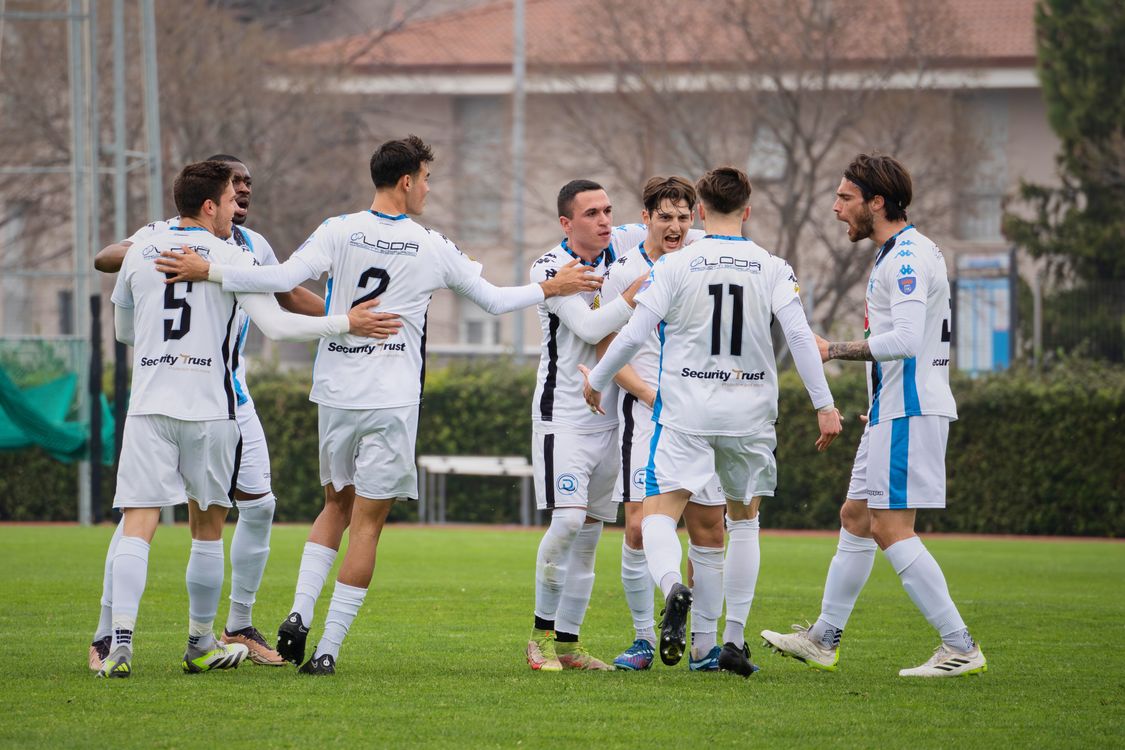
Photo: Davide Gargiulo via Pexels. This is a free stock illustration, not an actual Champions League match photo.
