Hades II: Why Melinoe's Underworld Journey Earned a Perfect Score
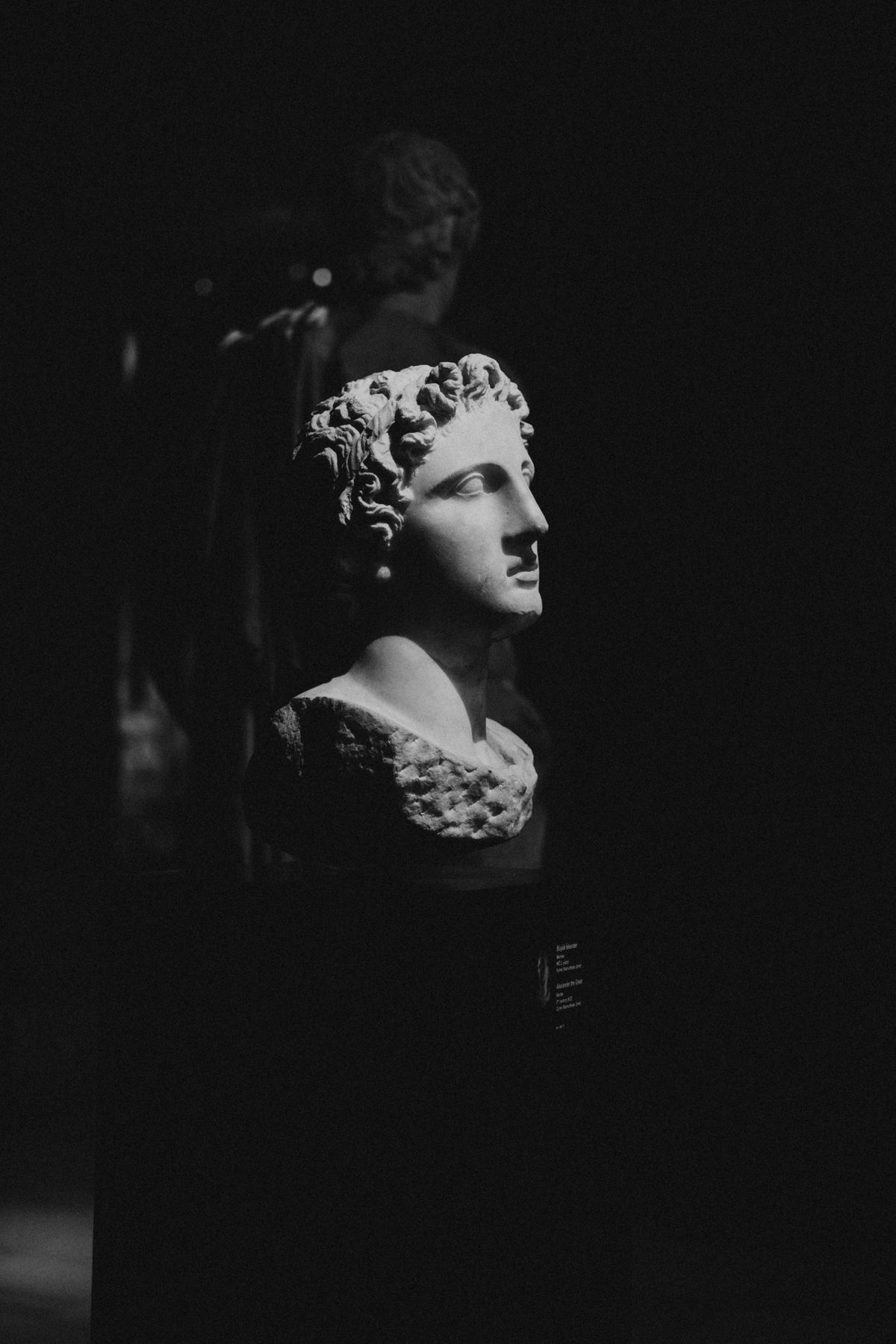
Photo: Lokman Sevim via Pexels (Pexels photo ID 11003040). This is a free stock illustration inspired by classical mythology, not actual gameplay footage from Hades II.
Some sequels try to be bigger. Hades II tries to be deeper, and that is why it feels so confident. It keeps the fast, room-to-room combat of the first game, but changes the hero, the journey, and the way every run teaches you something new about the gods, the Underworld, and the people fighting for it.
IGN awarded Hades II a perfect 10 in its review published on 25 September 2025, written by Len Hafer. The review praised the game’s breadth, its characters, and its ability to make repeated failure feel like progress rather than punishment. The reviewer also noted spending roughly 50 hours with the game, including about 10 hours on Switch 2, which says a great deal about how hard it is to put down.
You play as Melinoe, often called Mel, the Princess of the Underworld and sister of Zagreus from the first game. Her mission is darker and more personal: she must confront Chronos, the Titan of Time, and reclaim a world that has been thrown out of balance. The story does not simply repeat the first game with a new face. It builds a second perspective on a familiar mythology, and it gives Mel her own relationships, doubts, and reasons to keep fighting.
Two Roads, One Relentless Descent
One of the boldest choices in Hades II is that it offers two routes through its world. One leads downward into the Underworld, and the other leads upward toward Olympus. Each route has its own enemies, environments, bosses, and rewards, so a player who only follows one path is missing half the game. That structure also changes how runs feel: you are not just repeating the same corridor with new weapons, you are learning two different kinds of danger.
The combat remains the heart of the experience. Mel moves quickly, dashes through attacks, and combines weapons with magical tools that reward timing. The game asks you to read enemy patterns, use the room itself, and decide when to be aggressive and when to retreat. A run that ends early is rarely wasted, because you return with new dialogue, new upgrades, and a clearer idea of what went wrong.
What makes the loop work is variety. Every run offers different boons from the Olympian gods, different combinations of weapons and upgrades, and different encounters. No two escapes feel identical, and the game constantly tempts you to try one more run to see how a new combination behaves. That is the roguelike ideal: randomness in service of discovery, not frustration.
Read Also:
Cyberpunk 2077's Second Life: How Night City Went From Cautionary Tale to Comeback Story
Baldur's Gate 3: Why Every Choice Still Matters in the Forgotten Realms
The Gods, the Elements, and the Moon
The Olympian gods return, but their gifts feel refreshed through Mel’s perspective. Boons can strengthen attacks, add elemental effects, or change how you move and survive. IGN highlighted elemental affinities as a key system, encouraging players to combine elements for powerful effects rather than simply choosing the biggest damage number. The best builds often come from experimentation: a boon that looks modest on its own can become devastating when paired with the right weapon and the right element.
Selene, goddess of the Moon, adds another layer. Her blessings offer powerful, moonlit abilities that can change the rhythm of a run, rewarding players who plan their timing rather than spamming every power as soon as it is ready. The result is a combat system with more decisions than the first game, without losing the speed that made Hades so satisfying.
Boss fights deserve special mention. IGN singled out the battle against Scylla and the Sirens as a highlight, and it is easy to see why: the encounter combines spectacle, music, and mechanical challenge in a way that feels like a set piece rather than a damage sponge. Supergiant Games has always understood that a boss should teach you something, and Hades II’s bosses teach patience, positioning, and respect for patterns.
Music, Character, and a World Worth Returning To
Darren Korb’s music remains one of the game’s greatest strengths. The score moves from tense combat themes to quieter, more emotional moments at the Crossroads, the hub where Mel prepares for each run. Music in Hades II does not just accompany the action; it tells you how to feel about it, whether you are facing a god, a monster, or a conversation you did not expect.
The writing is equally strong. Characters remember your previous runs, react to your choices, and reveal new layers over time. That persistence is what turns a roguelike into a story. You are not starting from zero after every death; you are continuing a relationship with a world that notices you.
For PC players, Hades II is also a reminder of what the platform does best: deep systems, precise controls, and a game that respects your time while still asking for your attention. It is long without feeling padded, difficult without feeling unfair, and beautiful without sacrificing clarity. If the first Hades proved that a roguelike could be a great story, Hades II proves that a sequel can honour that story while becoming something new.
